
Velto · Apps, SaaS & digital products

Webuild

greatmobile apps
Velto product showcase
velto.studio
Selected work

Web, mobile, and SaaS.

Designed clearly. Built properly.

Mobile
iOS + Android
System
SaaS architecture
Product
Apps & SaaS
Execution
Design + build
Output
Ready to scale
Focus
Apps & SaaS
Approach
Design + Build
Output
Modern systems
Selected work

Featured projects

Each project combines product thinking, interface design, and technical execution.

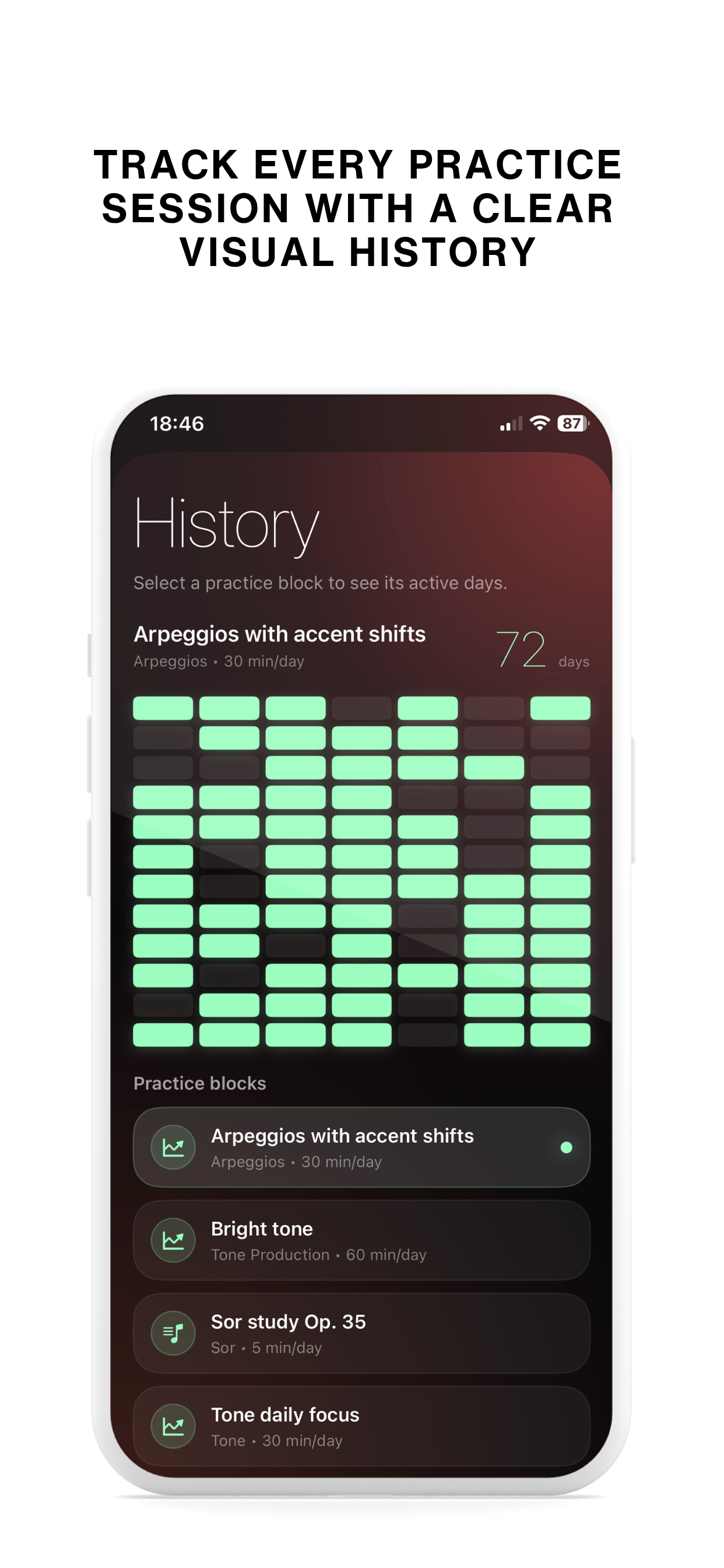
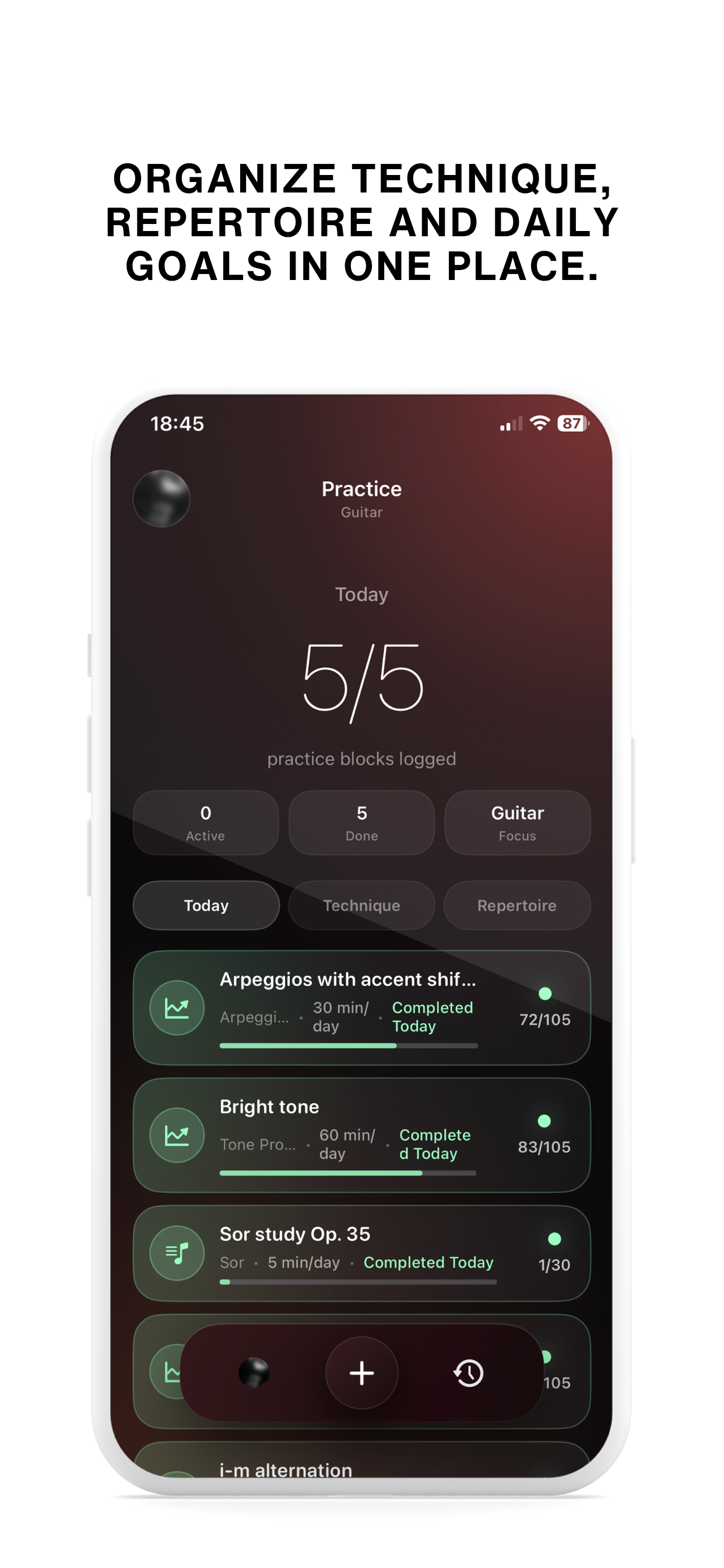
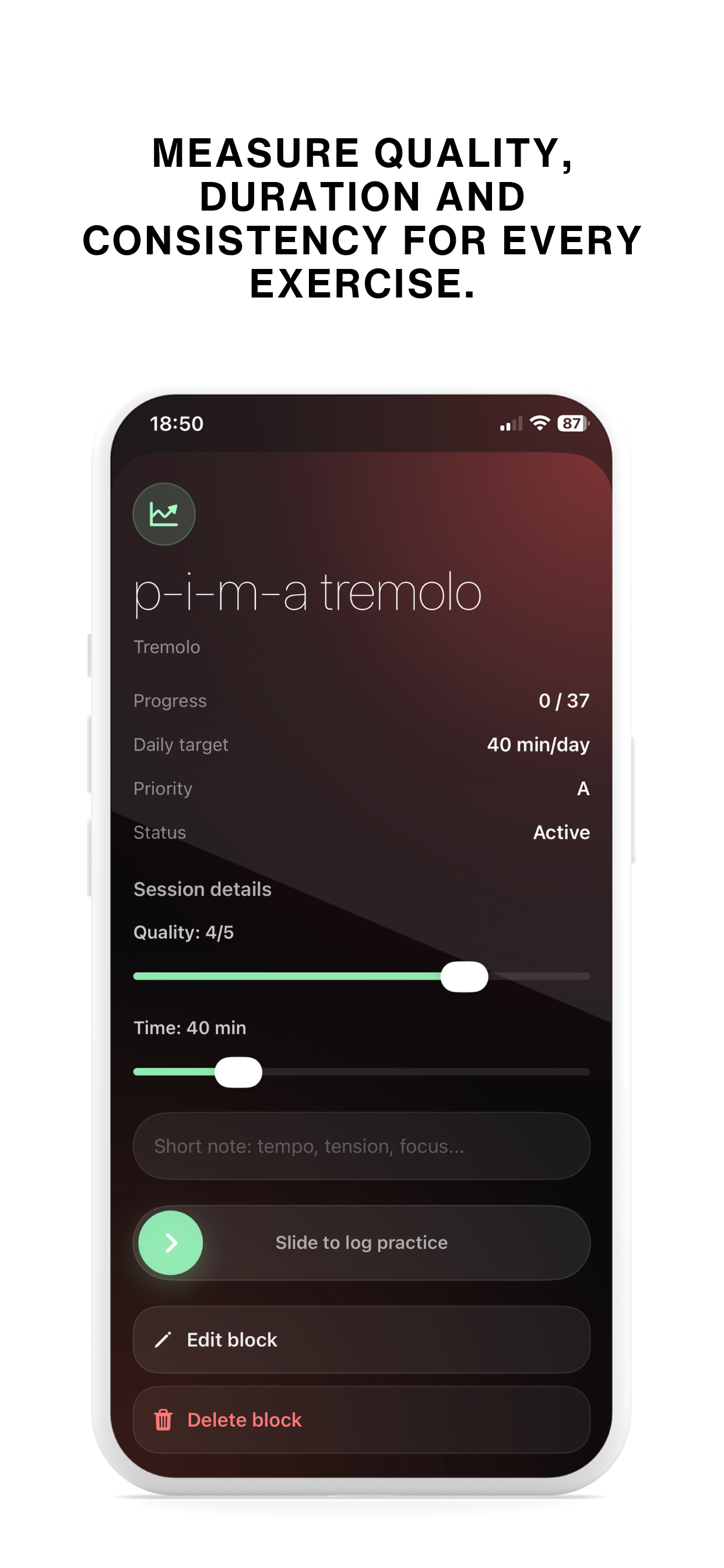
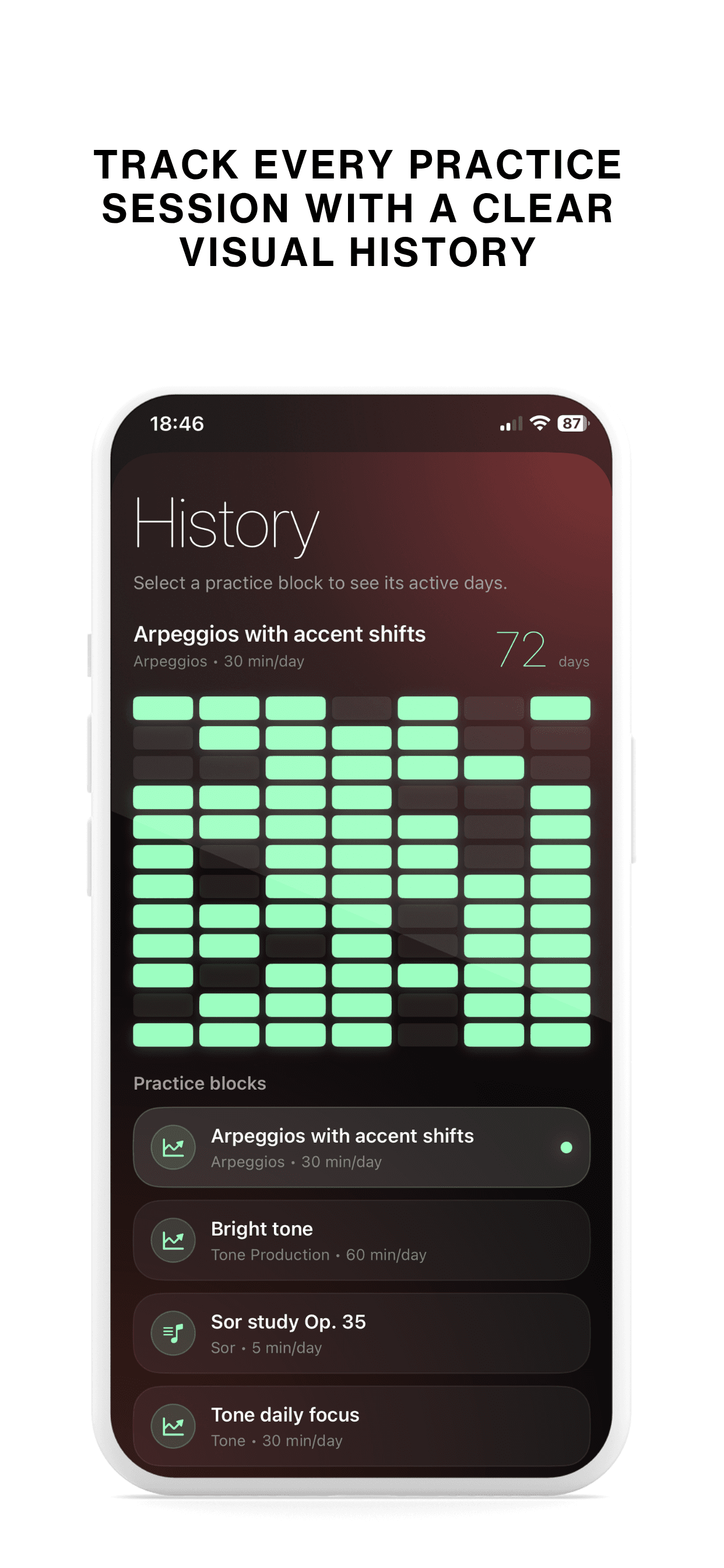
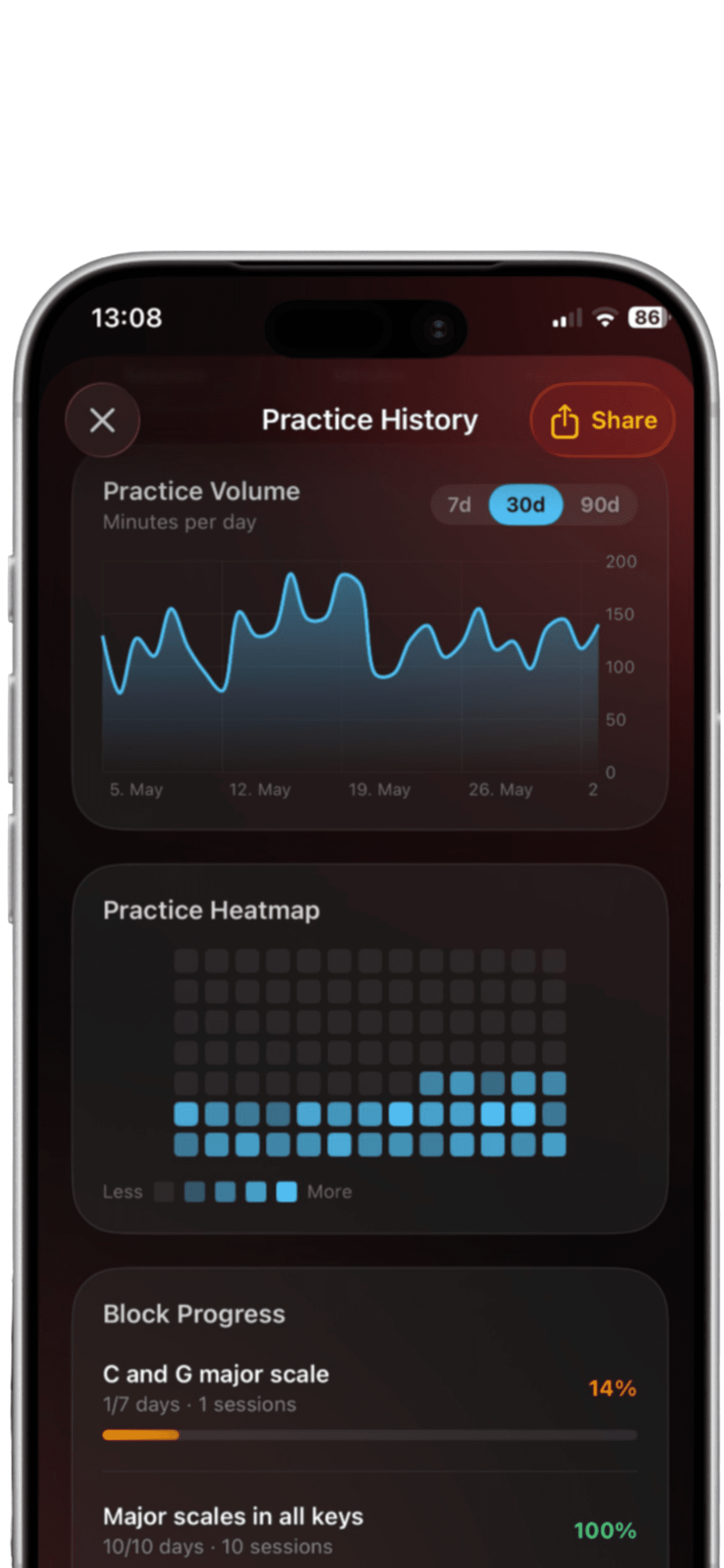
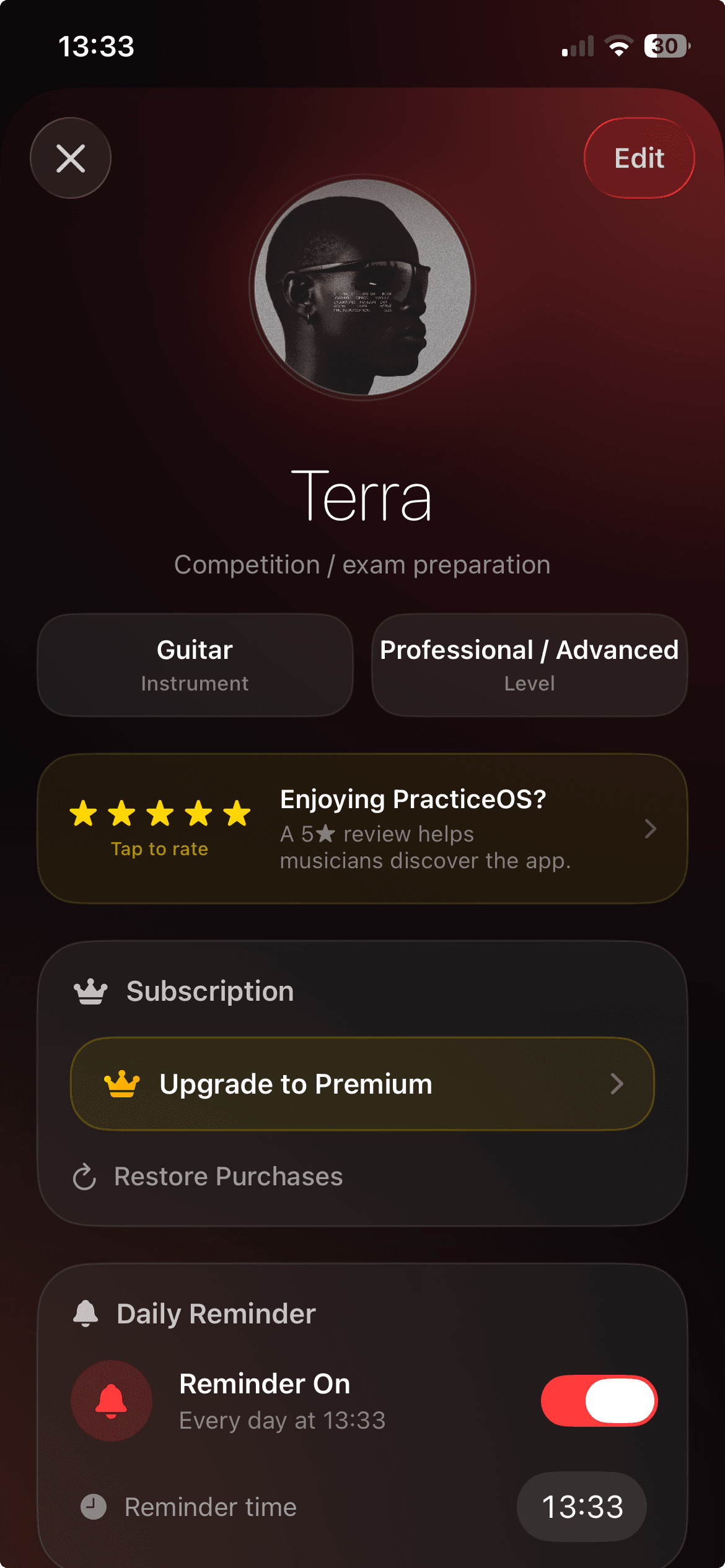
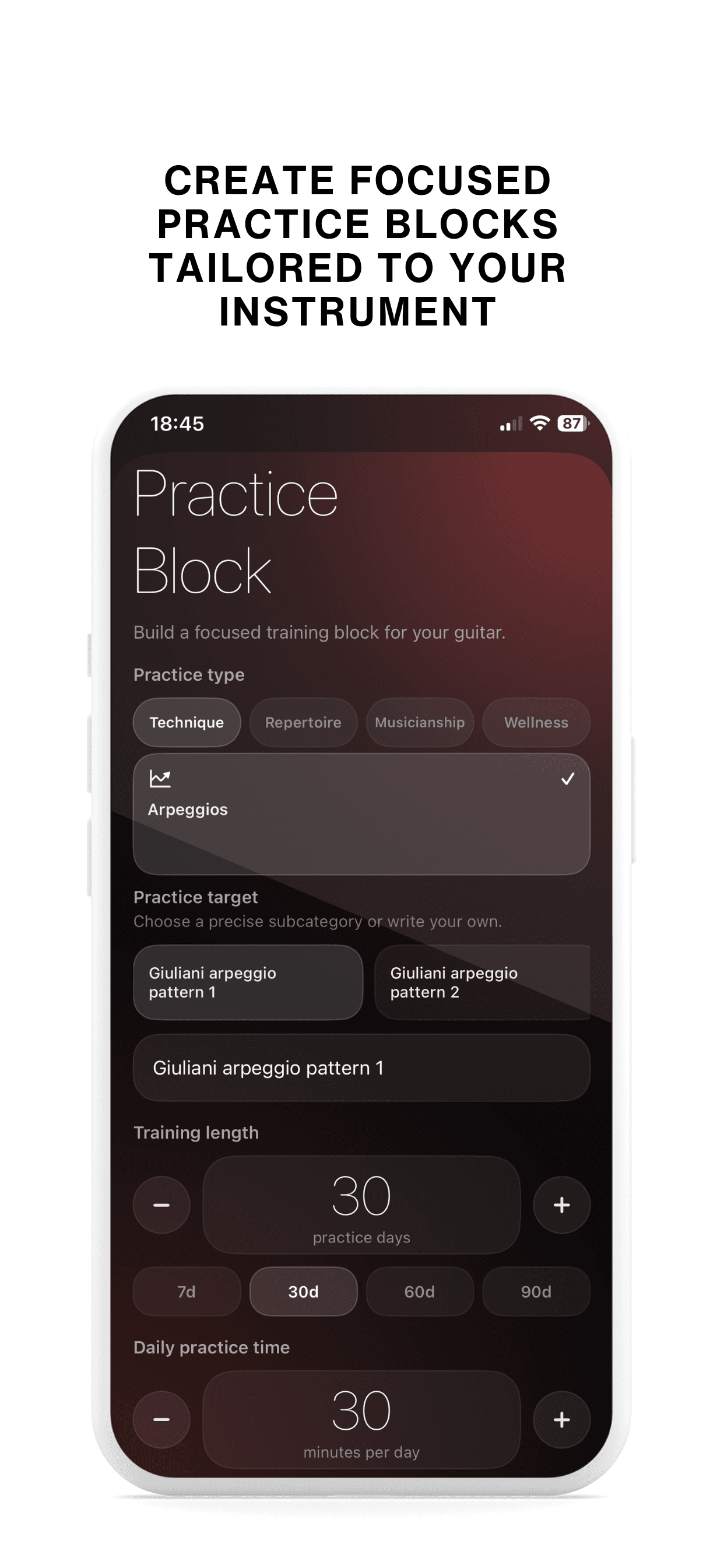
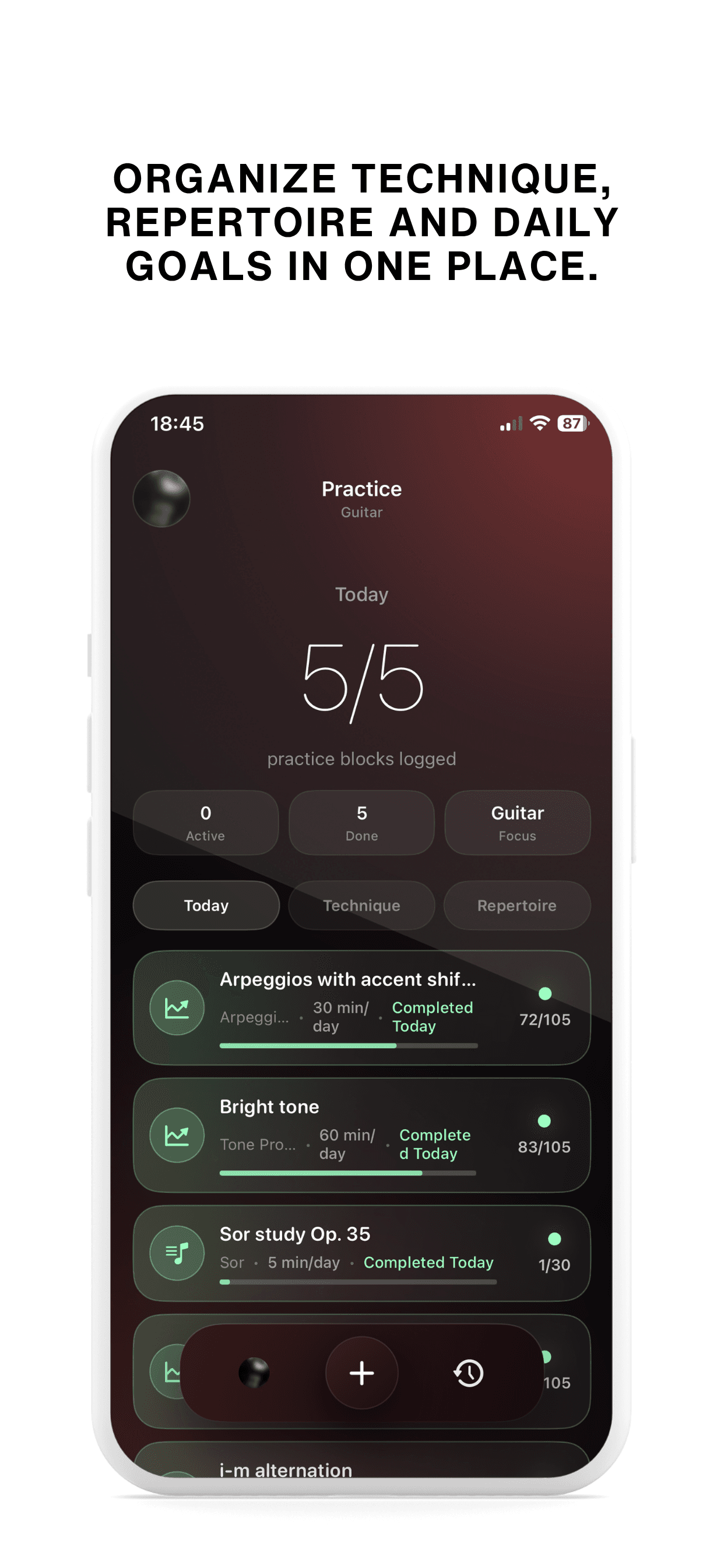
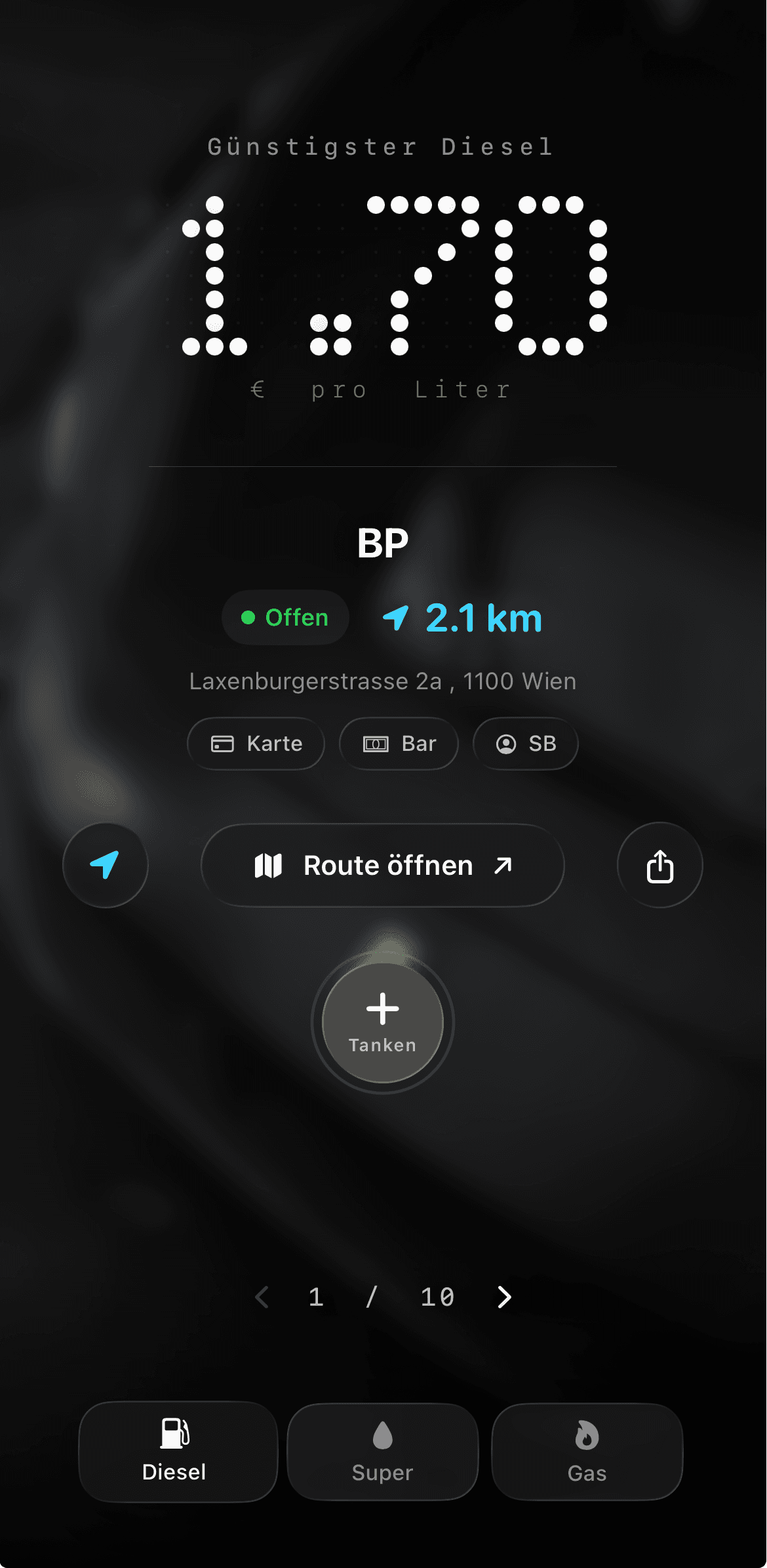
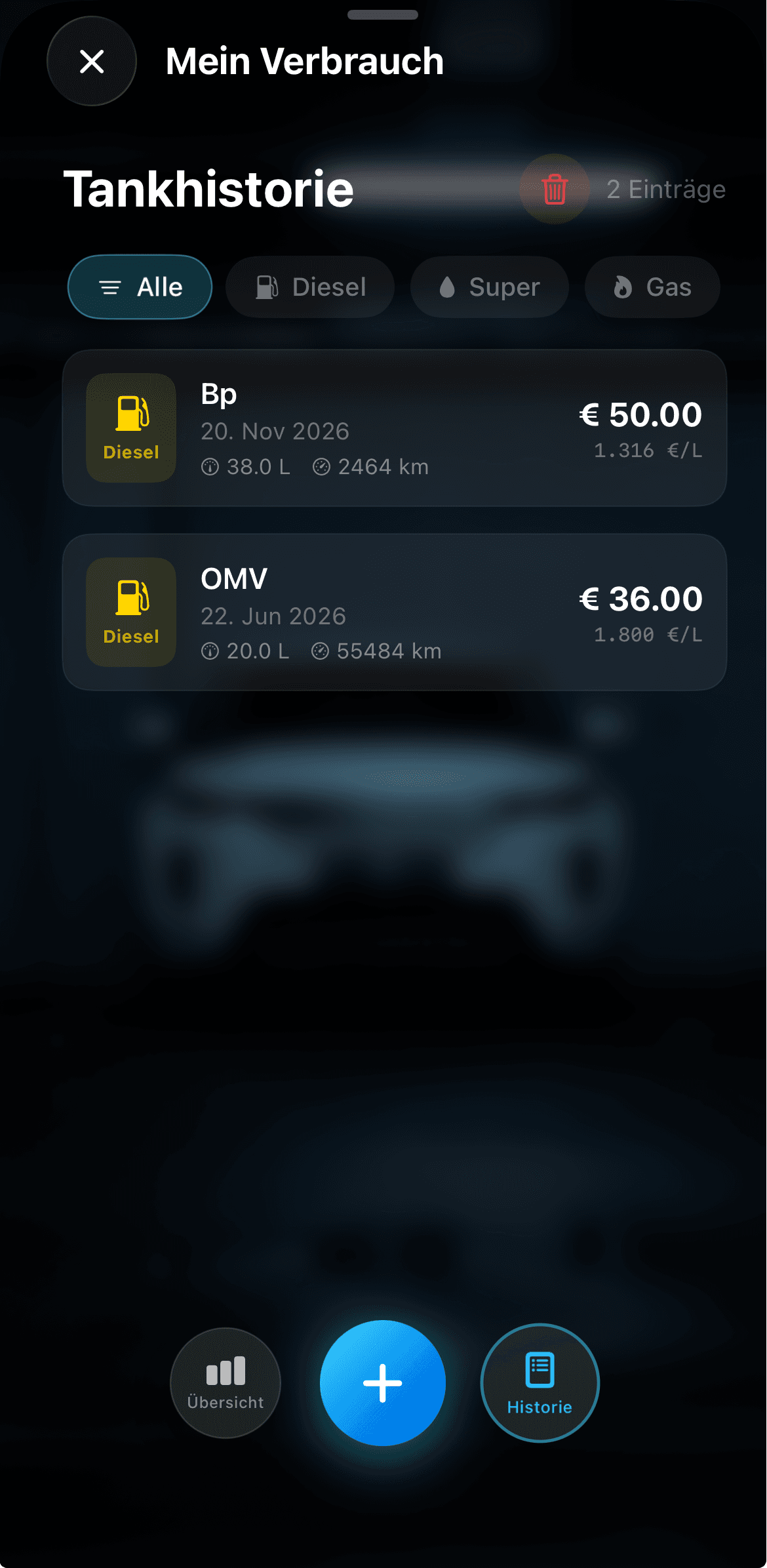
practiceOS
Mobile · iOS · 2026

practiceOS

iOS app for musicians to structure daily practice and track progress.

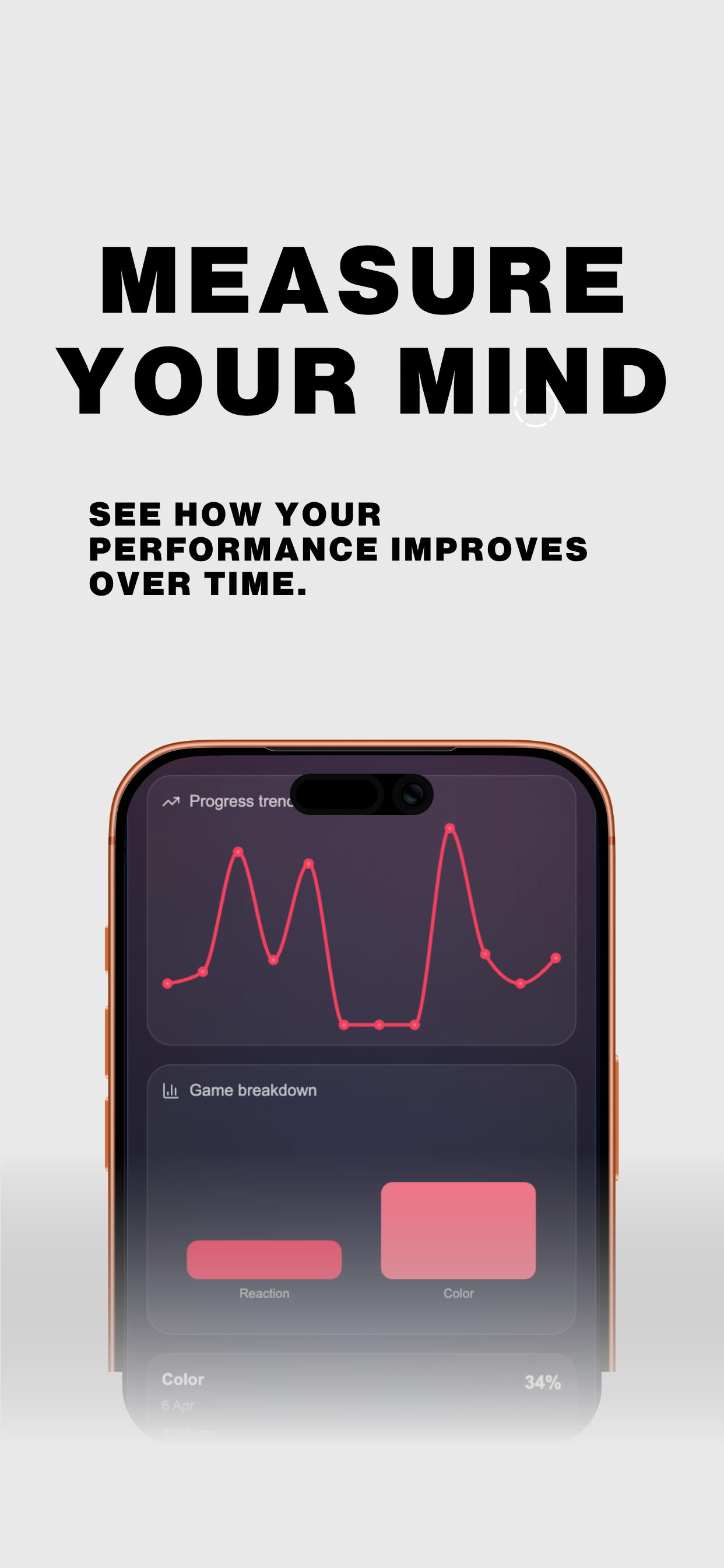
MyBrain
Mobile · Web · 2026

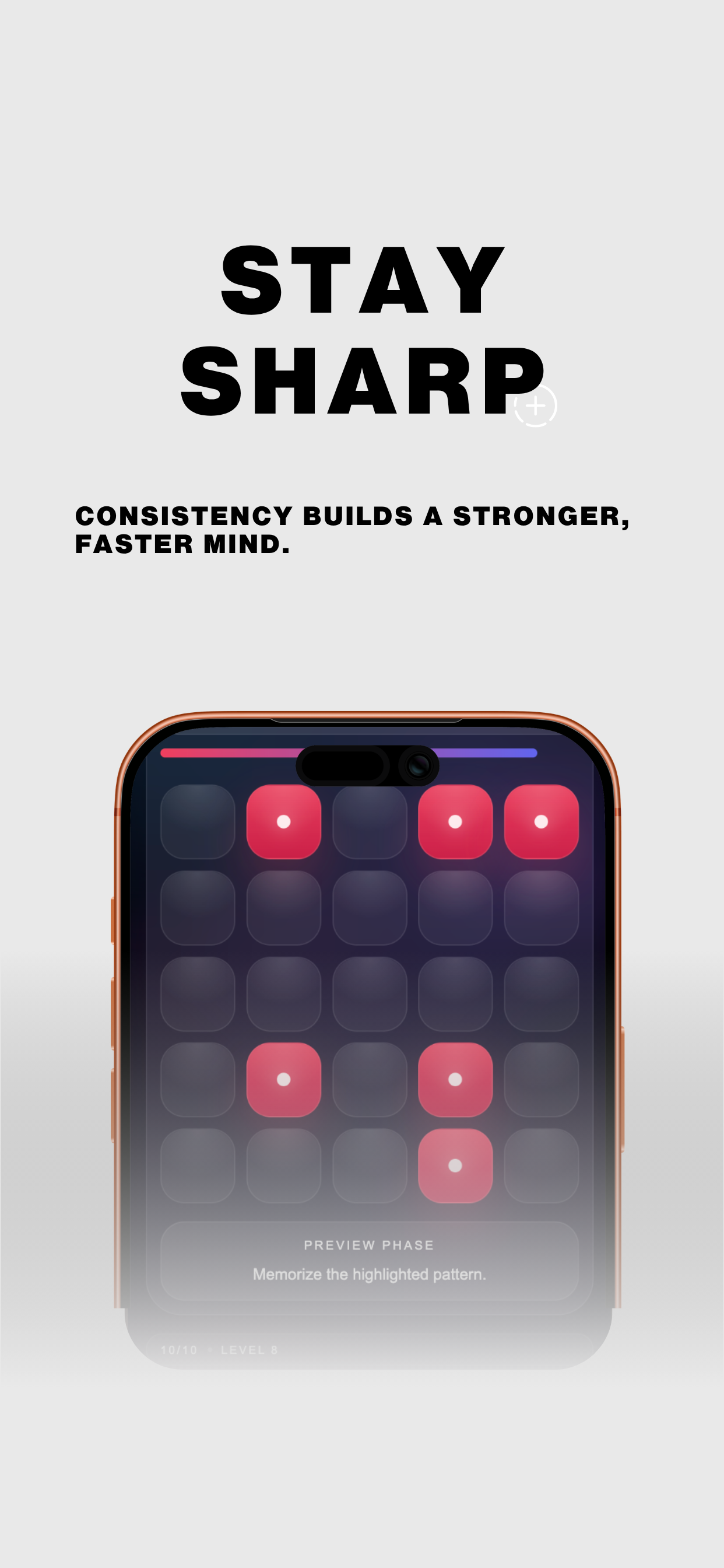
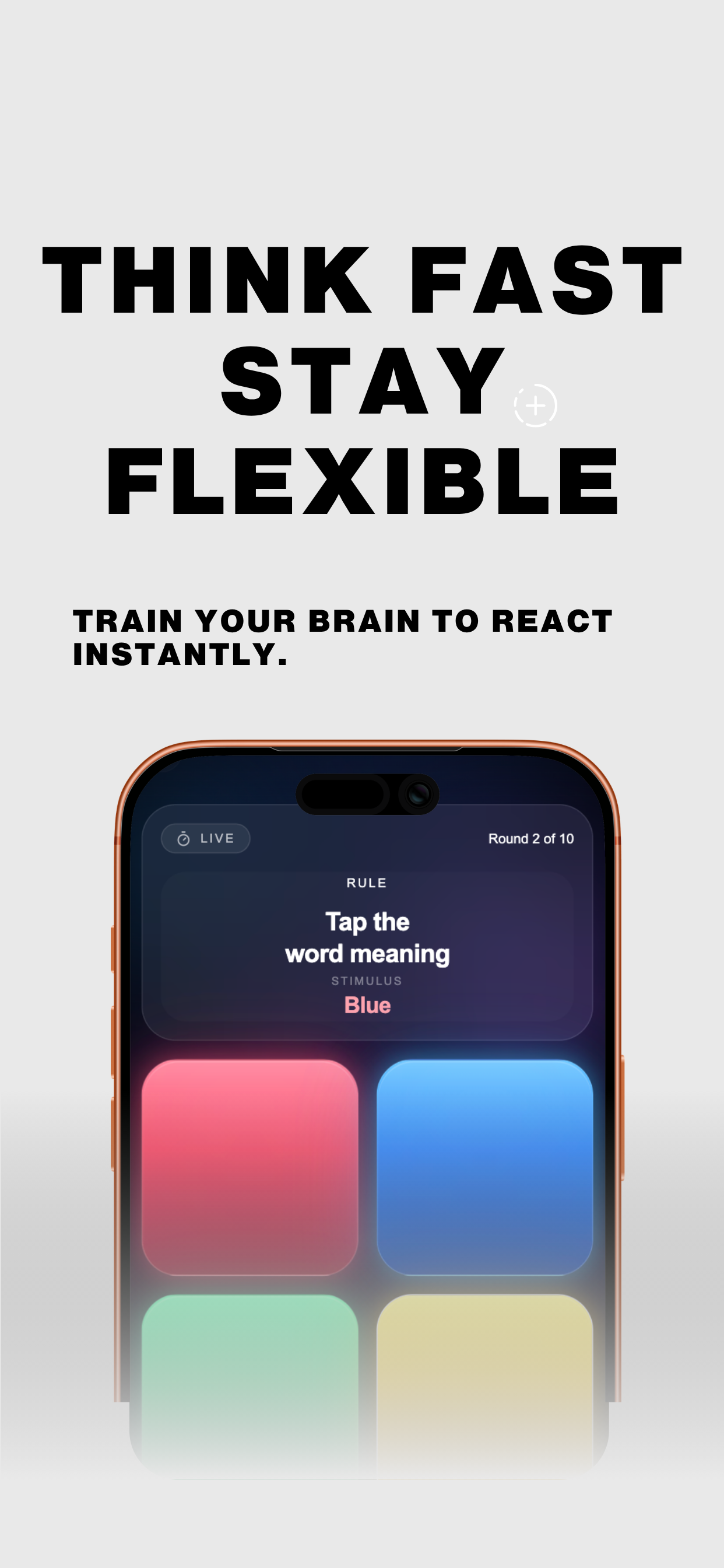
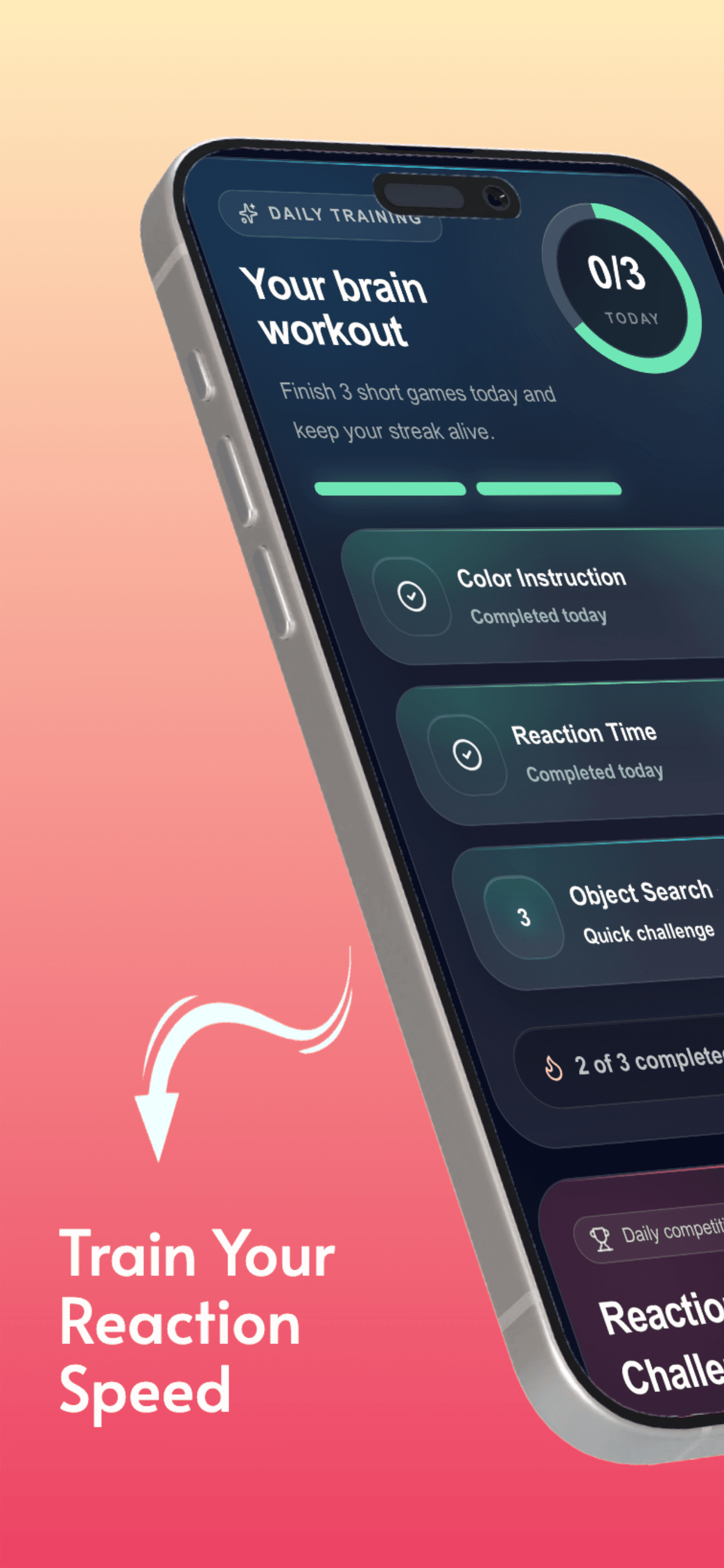
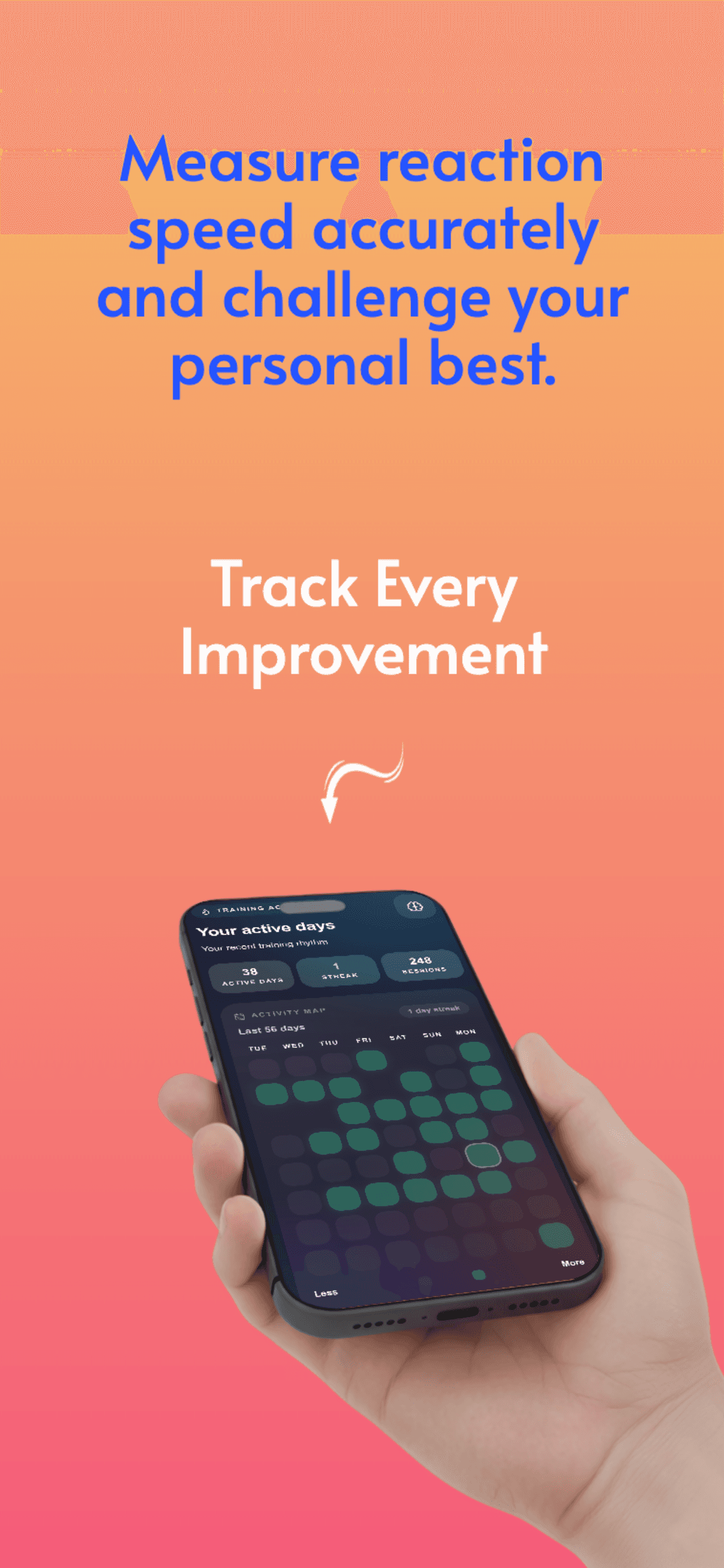
MyBrain

Cognitive training platform for iOS, Android, and the web.
Zen Mind
Mobile · iOS · 2025

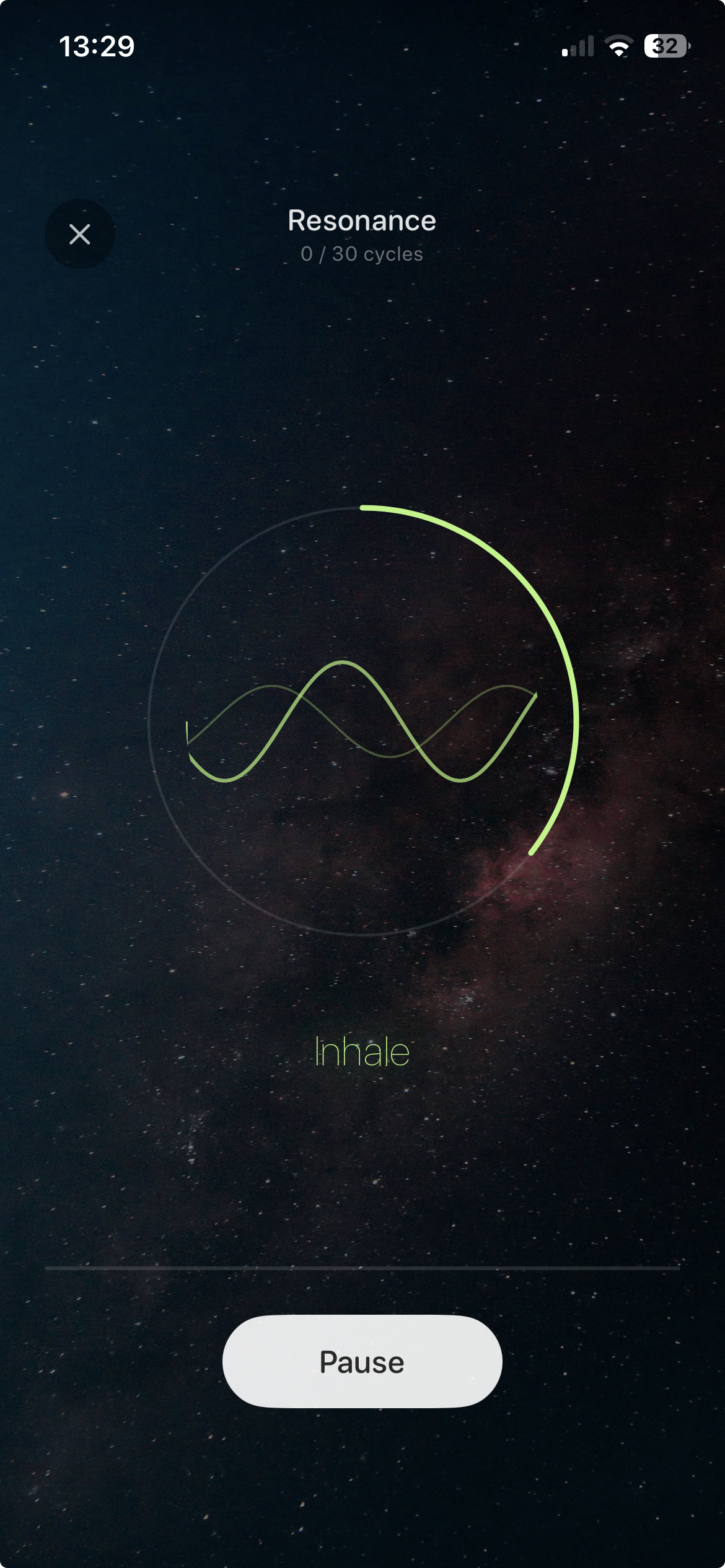
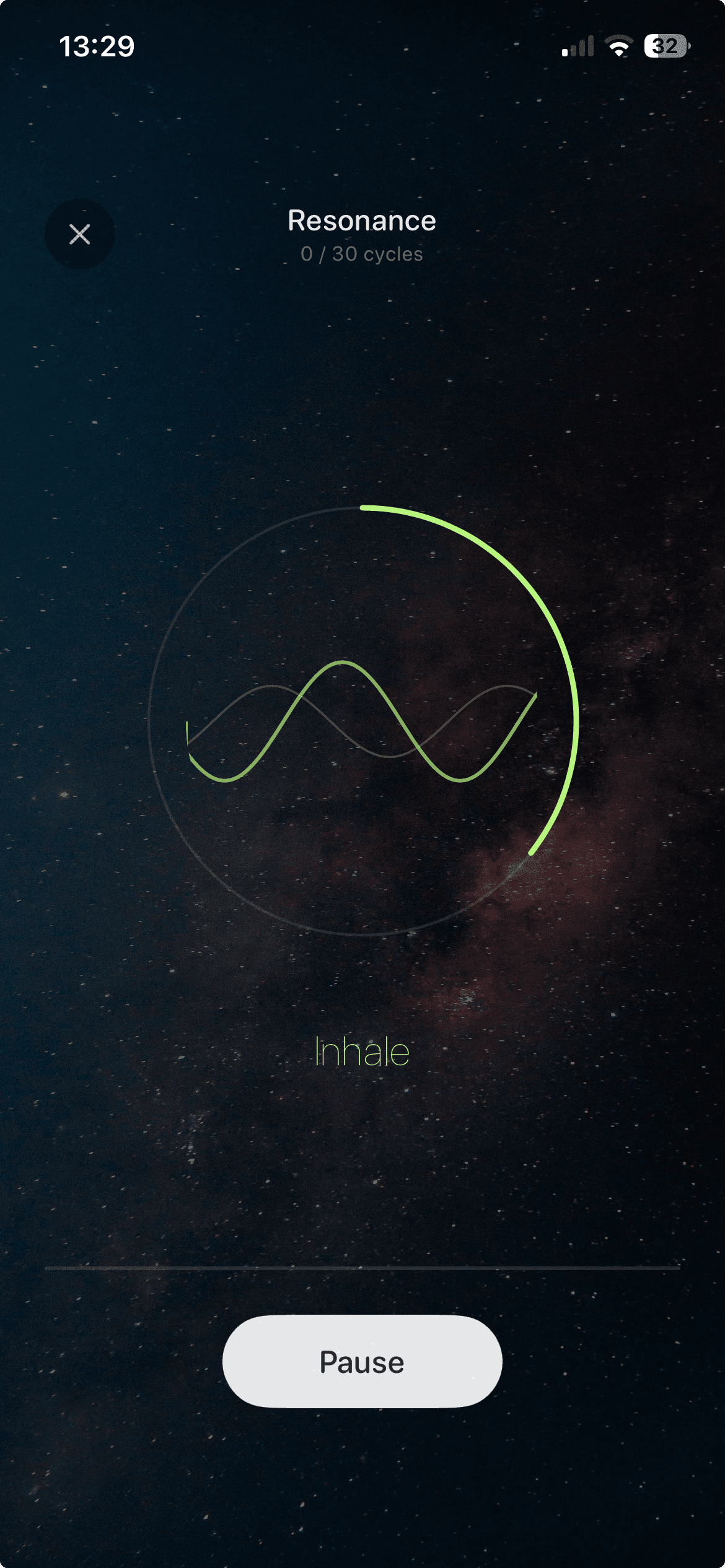
Zen Mind

Memory and focus app with daily mindfulness exercises.

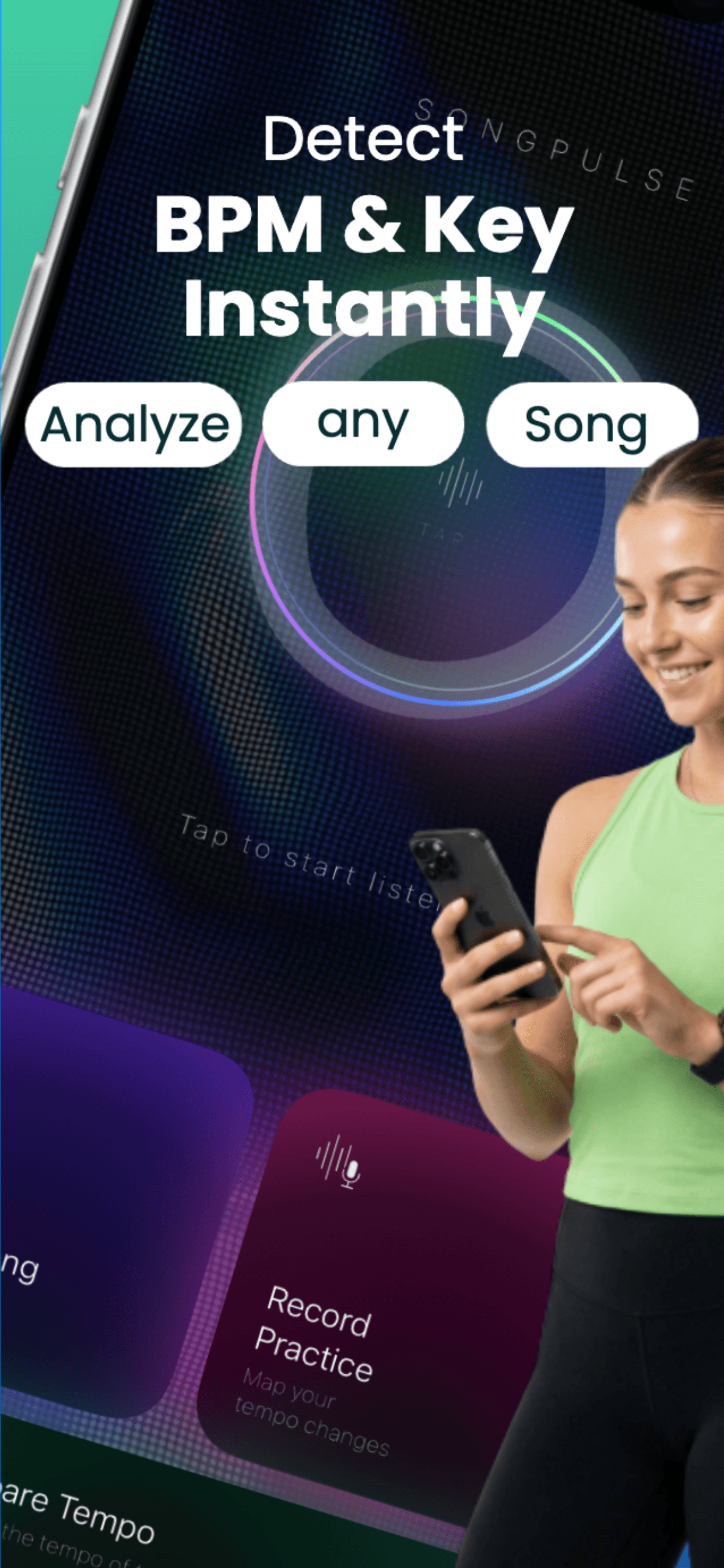
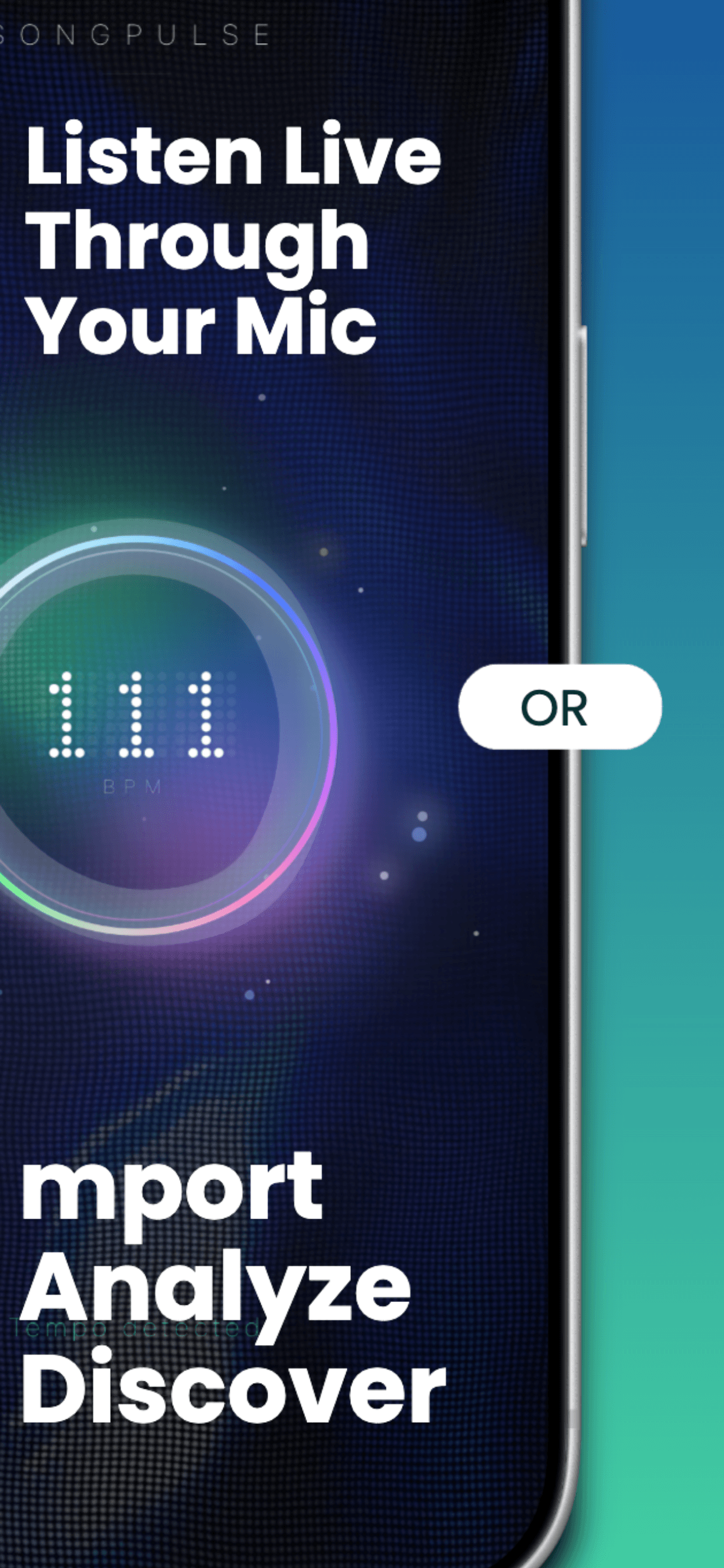
SongPulse
Mobile · iOS · 2026

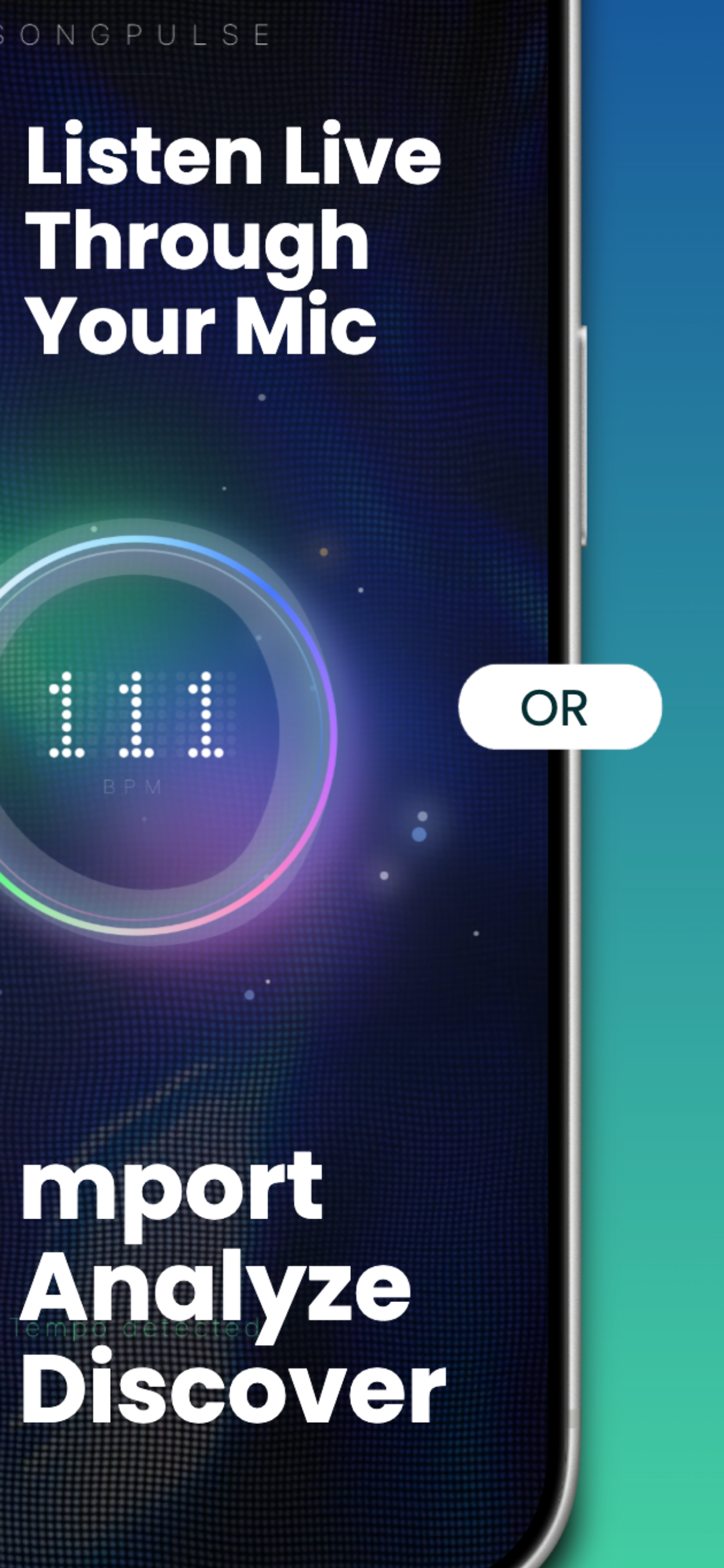
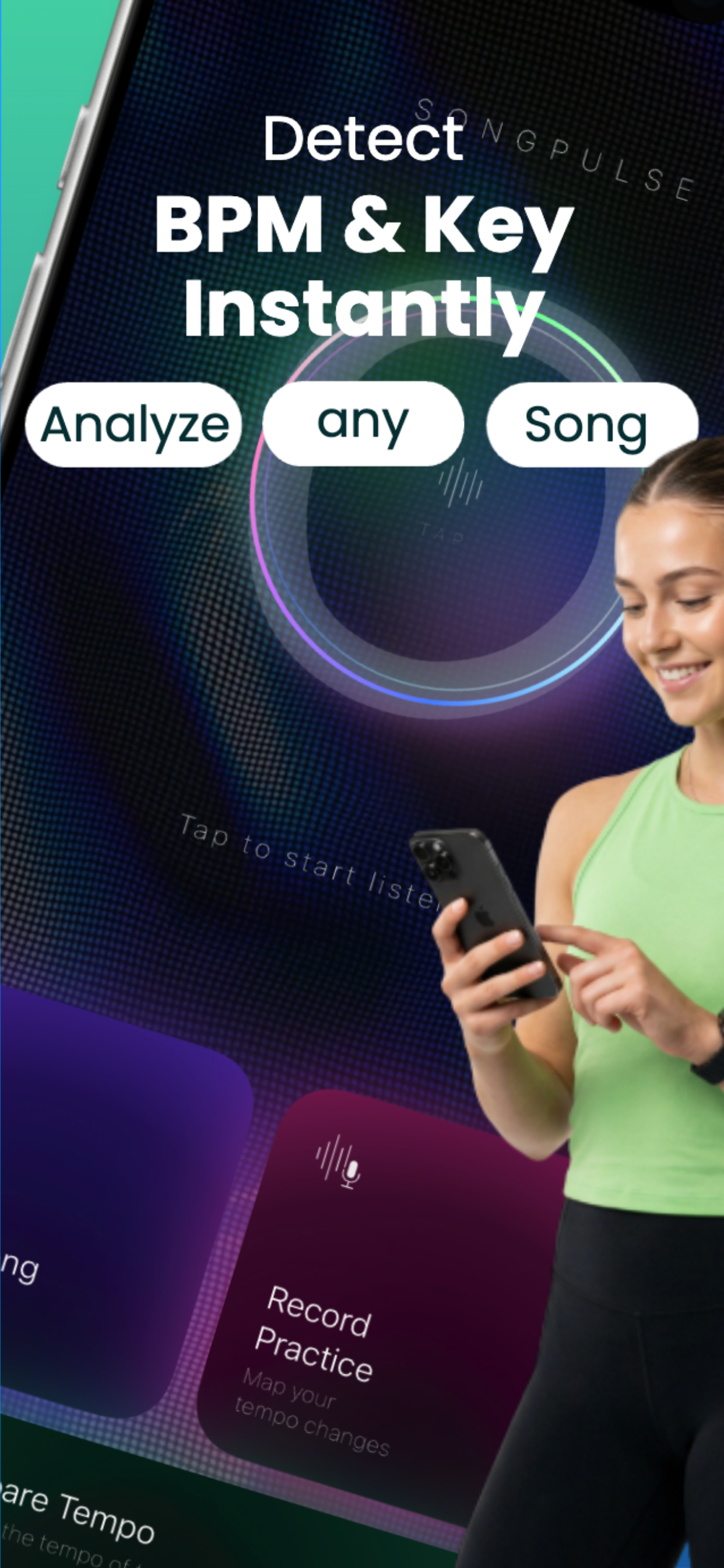
SongPulse

Analyze BPM, musical key and Camelot notation directly on your iPhone.
0+

Published apps on the App Store & Google Play

0

Platforms built across iOS, Android, and Web

0+

Years of combined product & design experience

Let's build together

Have an idea?
Let's make it real.

From a rough concept to a polished, launched product — Velto designs and builds it with clarity and speed.

Start a project
Available for new projects
Trusted products

Built with care for real products like

Tap any product to explore the full case page.

Who Velto is for

Built for people and businesses ready to move from idea to execution.

Whether you need a polished product, a scalable SaaS platform, or a smarter internal workflow, Velto designs and builds digital systems with clarity and speed.

Founders

From first concept to launch-ready product with strong direction and fast iteration.

Businesses

Modern digital tools, platforms, and workflows that replace slow manual processes.

Teams

Internal systems, dashboards, automations, and experiences built around how people actually work.

FAQ

Questions clients usually ask before starting.

A few clear answers about process, scope, timelines, and how Velto works.

What kind of projects does Velto build?
Velto builds digital products such as mobile apps, SaaS platforms, internal tools, business systems, and modern web experiences. The focus is on products that need both strong design and real execution.
Do you only work with startups?
No. Velto can work with founders, growing businesses, established companies, and teams that need a better digital product, a more efficient system, or a modern customer-facing experience.
Can you help from the idea stage, or only when everything is already defined?
Both. Some projects start with a rough idea and need structure, direction, and product thinking. Others already have clear requirements and need strong design and development execution.
Do you handle both design and development?
Yes. Velto is positioned around both sides: shaping the product direction and building it. That includes interface design, product structure, frontend development, platform logic, and launch-ready implementation.
How long does a project usually take?
It depends on scope. Smaller projects or focused product phases can move quickly, while larger platforms and more custom systems naturally take longer. The goal is always to define a clear first version and build with momentum.
Can Velto improve or extend an existing product?
Yes. Velto can help redesign, restructure, extend, or modernize an existing app, SaaS product, or digital workflow — not only build from zero.
What is the process like?
Usually it starts with understanding the idea, goals, and context. Then comes product direction, structure, interface thinking, and implementation. The process stays practical, clear, and focused on building something usable.
How do we get started?
The best start is a short conversation about what you want to build, improve, or digitize. From there, the next steps can be defined clearly based on your goals, timeline, and scope.
How much does it cost to build an app or digital product?
There is no fixed number without scope, but the cost mainly depends on complexity, features, platforms, integrations, and how polished the first version needs to be. The best approach is usually to define a clear first release and estimate from there instead of trying to plan everything at once.
Should we start with an MVP or build the full product immediately?
In many cases, starting with a focused MVP is the better move. It helps reduce risk, speeds up learning, and gets a real product into users' hands faster. A full platform can then grow from something already validated instead of from assumptions.
Should we launch on iOS, Android, or web first?
That depends on the product and the audience. Some ideas make more sense as a web platform first, others need a mobile-first experience from day one. The decision should be based on usage, speed to launch, and where the first users are most likely to engage.
What happens after launch? Do you also support maintenance and improvements?
Yes. Launch is usually only the beginning. After release, a product often needs fixes, refinements, performance improvements, new features, and iteration based on real usage. Velto can support that next phase as well.
Who owns the product, code, and assets after the project?
The project should be structured clearly from the beginning so ownership, access, and delivery are transparent. That includes the product files, codebase, accounts, and other assets needed to run and grow the product properly.
How involved do I need to be during the project?
That depends on the project and your preference. Some clients want to be closely involved in decisions and feedback, while others prefer a more hands-off approach. The process can adapt, but regular alignment is always important to keep things moving in the right direction.
Can you work with an existing team or developers?
Yes. Velto can collaborate with internal teams, external developers, or other partners. This can include taking over parts of the product, improving specific areas, or working together on a shared roadmap.
Do you help with product strategy and positioning?
Yes. Many projects are not just about building features, but about making the right product decisions. That includes defining what to build first, how to structure it, and how it fits the target audience and business goals.
Can you integrate third-party services and APIs?
Yes. Most modern products rely on integrations such as payments, authentication, analytics, or external data sources. These can be integrated as part of the product architecture depending on the requirements.
How do you ensure the product is scalable?
Scalability is considered early in the structure and technology decisions. The goal is to build something that works well at the beginning but can also grow without needing a complete rebuild later.
Will the product be optimized for performance and speed?
Yes. Performance is part of the development process, not something added at the end. That includes fast loading times, efficient data handling, and smooth interactions across devices.
Can you help with launching the product?
Yes. Launch preparation can include deployment setup, app store submission, final testing, and making sure everything is ready for users to access the product smoothly.
Do you build for international or multi-language products?
Yes. Products can be structured to support multiple languages, regions, and audiences depending on the use case. This is often important for businesses planning to grow beyond one market.
What technologies do you usually work with?
The stack depends on the project, but typically includes modern web technologies, scalable backend systems, and cross-platform mobile solutions. The focus is always on reliability, maintainability, and performance rather than trends.
How do you handle changes during the project?
Changes are normal in product development. Instead of locking everything upfront, the process allows for adjustments based on new insights, feedback, or shifting priorities while still keeping structure and direction.